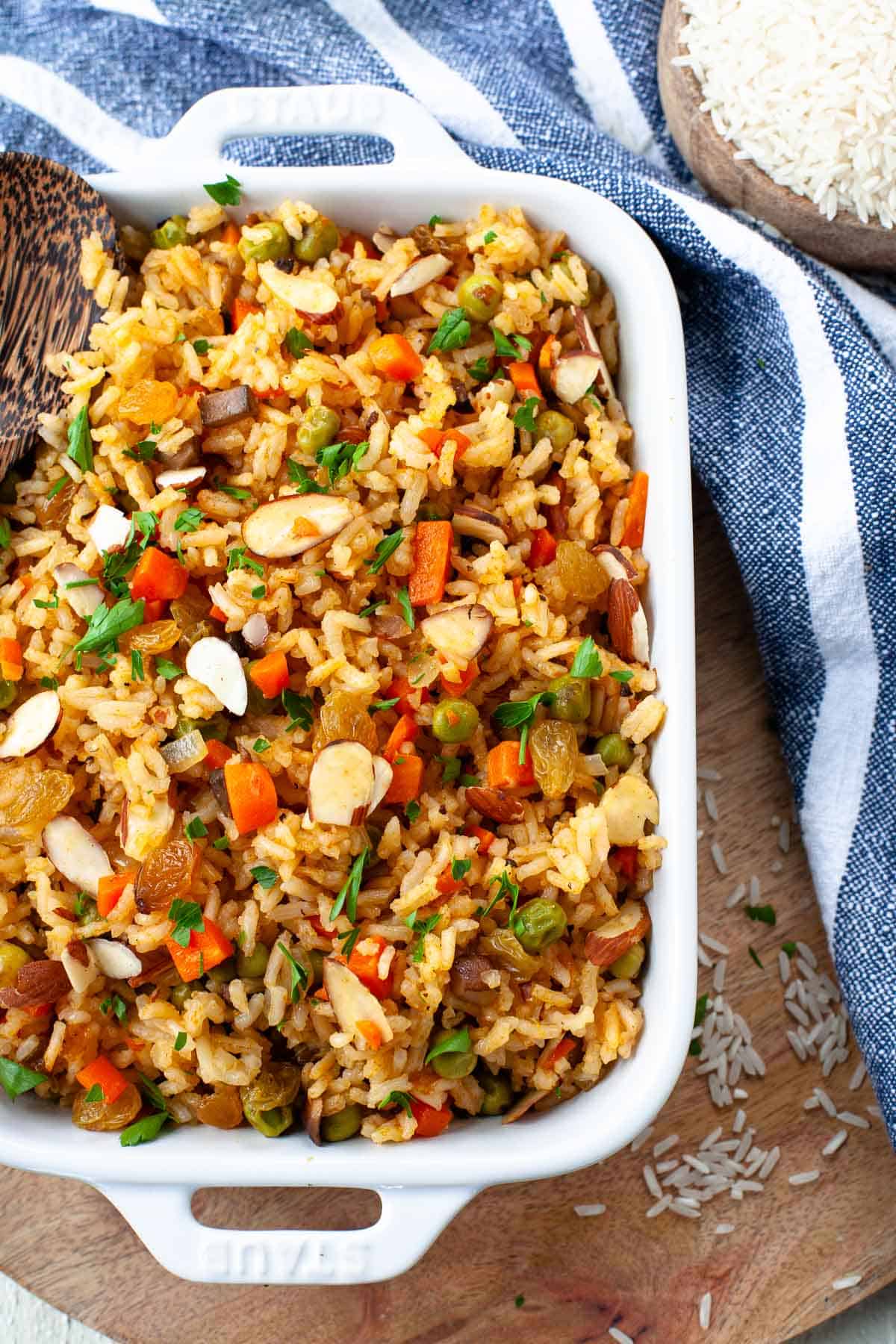
Easy 30-Minute Vegetarian Rice Pilaf: Fluffy & Flavorful
Are you tired of serving plain old rice with your meals, but don't have hours to spend on an elaborate side dish? Look no further than the humble yet incredibly versatile vegetarian rice pilaf. This culinary gem takes less than 30 minutes from start to finish, yet delivers a gourmet experience with its distinct fluffy texture and subtle, mouthwatering flavors. Forget complicated recipes or a sink full of dishes; this one-pot wonder is designed for busy home cooks who crave both convenience and culinary delight.
A true upgrade from your everyday steamed rice or even simple fried rice, a well-made vegetarian rice pilaf transforms simple grains into a star side dish that perfectly complements any protein or vegetable main. With its vibrant colors and inviting aroma, it’s guaranteed to impress at any dinner table, whether it’s a casual weeknight meal or a special gathering. Best of all, it's remarkably easy to make, even for beginners, and offers a healthier, lower-sodium alternative to many other rice dishes.
Why Vegetarian Rice Pilaf Deserves a Spot on Your Menu
Beyond its quick preparation time, there are numerous reasons why this fluffy and flavorful rice dish should become a regular in your kitchen rotation:
- Effortless Elegance: This pilaf truly looks “poppin’ gorgeous” on the dinner table. The medley of grains, colorful cranberries, and fresh herbs creates an appealing visual that belies its simple preparation.
- Subtle Yet Satisfying Flavors: Unlike heavily spiced or saucy rice dishes, this vegetarian rice pilaf offers a delicate balance of savory, sweet, and tangy notes. It enhances your main course without overpowering it, making it the perfect culinary partner.
- Health-Conscious Choice: Compared to many rice dishes flavored with soy sauce, this pilaf is naturally lower in sodium. Utilizing wild rice blends also means you benefit from grains that are often gluten-free, low in calories, and high in fiber, making it a delicious and healthier way to consume carbohydrates. For more detailed health benefits, explore our Healthy Vegetarian Rice Pilaf: Low Sodium & High Fiber Recipe.
- Remarkably Fluffy Texture: The distinct pilaf technique involves “cracking” each grain by toasting it in fat. This process forms a protective crust that prevents the grains from sticking together, resulting in that signature airy, separated, and fluffy texture every time.
- Budget-Friendly & Crowd-Pleasing: Made with readily available, inexpensive ingredients, this recipe stretches to feed a crowd without breaking the bank. It's ideal for potlucks, family dinners, or simply having delicious leftovers.
- Customizable & Adaptable: One of the greatest joys of making your own dishes is the freedom to customize. This pilaf is incredibly flexible, allowing you to use whatever ingredients you have on hand, making it a truly personal creation. We'll delve into customization ideas further down.
The Secret to Fluffy, Flavorful Grains: Understanding the Pilaf Technique
What sets a true pilaf apart from simply boiled rice is a fundamental technique that transforms the grains and locks in flavor. It's not just about adding ingredients; it's about the order and method of cooking that yields that desirable fluffy, non-sticky texture. If you’ve ever wondered how restaurant rice always seems perfectly separated and full of individual grain character, this is your answer.
- The Art of Toasting: The most crucial step is toasting the dry rice grains in a bit of fat, usually butter or oil, before any liquid is added. This is the “cracking” process referenced earlier. As the rice lightly toasts, each grain develops a subtle nutty flavor and a protective barrier. This barrier is key to preventing the grains from absorbing too much water too quickly and becoming mushy. It’s what ensures they cook up distinct and fluffy rather than sticky.
- Building the Flavor Base: While the rice is toasting, aromatics like diced onions and carrots are sautéed until fragrant and softened. These vegetables lay down a foundational layer of umami and subtle sweetness that permeates the entire dish, creating a more complex and robust flavor profile than plain rice could ever offer.
- The Simmer and Steam: Once the rice is toasted and the aromatics are fragrant, hot liquid (often broth for added flavor) is introduced. The mixture is brought to a boil, then immediately reduced to a low simmer, covered tightly, and left undisturbed. The steam created by the simmering liquid gently cooks the rice, ensuring even absorption and consistent texture. It's vital not to lift the lid during this phase, as you'd release precious steam.
- The Essential Rest: After cooking, the pot is removed from the heat and allowed to rest, still covered, for 5-10 minutes. This resting period allows the steam to redistribute throughout the rice, completing the cooking process and ensuring maximum fluffiness. It’s a step often overlooked but critical for pilaf perfection.
By following these steps, you’re not just cooking rice; you’re crafting a dish with depth, texture, and character – all in under half an hour.
Essential Ingredients & Creative Substitutions for Your Perfect Pilaf
One of the beauties of this vegetarian rice pilaf is its reliance on simple, accessible ingredients that pack a punch. Here's a breakdown of the core components and how you can play with them to suit your pantry and preferences:
- The Rice Blend: The reference mentions wild rice blend, which can include long-grain varieties and even quinoa medley. You can purchase pre-made blends or create your own with a mix of wild rice, brown rice, and long-grain white rice for varying textures and nutritional benefits. This foundation is key to the pilaf's character.
- The Fat: Butter is recommended for sautéing due to the rich, delicious flavor it imparts. However, if you're out or prefer a dairy-free option, olive oil or any other neutral cooking oil will work perfectly well, offering a lighter taste.
- Aromatics: Diced onion and carrots are the foundational aromatics, providing a subtle sweetness and a savory depth (umami) that elevates the entire dish. They are easy to find and essential for building the initial flavor profile.
- Sweet & Tangy Accents: Cranberries (fresh or dried) are fantastic for adding bursts of tart sweetness and beautiful pops of color that make the pilaf look festive. If cranberries aren't your preference or you don't have them, golden raisins make an excellent substitute, offering a similar sweetness with a slightly different flavor profile.
- Crunch & Earthiness: Pecans are called for to add a satisfying crunch and a lovely nutty aroma, especially when lightly toasted beforehand. Toasting nuts truly brings out their essential oils and deepens their flavor. Feel free to swap pecans for other nuts like almonds, walnuts, or even pistachios, or a combination of your favorites.
- Fresh Herb Finish: Fresh parsley stirred in at the end adds a bright, herbaceous note and a vibrant green color that contrasts beautifully with the other ingredients. While parsley is classic, you can experiment with other fresh herbs. Cilantro offers a more distinctive, citrusy note, while chopped green onions (scallions) can provide a mild oniony freshness. Just be aware that substituting herbs will slightly alter the final flavor profile.
This flexibility makes the vegetarian rice pilaf not just a recipe, but a template for creativity. For even more ideas on how to personalize your dish, check out our guide on how to Upgrade Your Side Dish: Customizable Vegetarian Rice Pilaf Recipe.
Customizing Your Vegetarian Rice Pilaf: Beyond the Basics
As the chef of your own kitchen, you have full creative license! While the basic recipe is stellar, here are exciting ways to add your own personal touch and adapt your vegetarian rice pilaf to various tastes and occasions:
- Boost the Grains & Legumes: Experiment by adding other grains to your mixture. Quinoa, farro, or even tiny pasta shapes (like orzo, toasted along with the rice) can enhance texture and nutritional value. For a protein boost, stir in pre-cooked lentils, chickpeas, or black beans towards the end of cooking.
- Expand Your Vegetable Palette: Beyond onions and carrots, consider sautéing other finely diced vegetables with your aromatics. Bell peppers, celery, or zucchini can add flavor and bulk. For green vegetables, stir in fresh spinach, kale, or frozen peas during the last few minutes of cooking, allowing them to wilt or warm through gently. Sautéed mushrooms can also add a delightful umami depth.
- Spice It Up: Introduce different flavor profiles with spices. A pinch of turmeric can lend a beautiful golden hue and earthy notes. A touch of cumin, a bay leaf added during the simmer, or a hint of smoked paprika can transform the pilaf's character. For a Mediterranean twist, try a touch of dried oregano.
- Enhance the Liquid: While water works, using vegetable broth or stock will significantly deepen the overall flavor. For an extra layer of richness, you could even deglaze the pan with a splash of white wine before adding the broth (ensure it cooks off fully).
- Fruity & Savory Swirls: Instead of or in addition to cranberries, consider dried apricots or even sun-dried tomatoes (chopped) for a different kind of sweet and savory burst.
- Aromatic Finishers: A squeeze of fresh lemon juice or a drizzle of good quality extra virgin olive oil stirred in at the very end can brighten all the flavors. A sprinkle of crumbled feta cheese or nutritional yeast can also add a salty, umami kick for cheese lovers.
These additions can transform your simple side dish into a more substantial light main, offering endless possibilities for culinary exploration.
Practical Tips for Pilaf Perfection
- Rinse Your Rice (Optional but Recommended): For some types of rice, a quick rinse under cold water until the water runs clear can help remove excess surface starch, contributing to even fluffier, less sticky grains. While the toasting method inherently helps with this, rinsing can be an extra step towards perfection.
- Don't Skip Toasting the Nuts: This quick step truly makes a difference. Toasting pecans or other nuts in a dry pan for a few minutes until fragrant brings out their deepest flavors and aromas. Let them cool slightly before chopping and adding to the pilaf.
- Resist the Urge to Peek or Stir: Once the liquid is added and the pot is covered, leave it alone! Lifting the lid allows steam to escape, which is essential for even cooking. Stirring will disrupt the grain structure and prevent that desired fluffiness.
- The Power of Resting: This step is non-negotiable. After cooking, let the pilaf rest, covered, off the heat for at least 5-10 minutes. This allows the residual steam to finish cooking the rice and ensures the moisture is evenly distributed throughout the grains.
- Fluff with a Fork: Once rested, use a fork to gently fluff the pilaf, separating the grains. Avoid using a spoon, which can mash the rice.
- Meal Prep Friendly: Vegetarian rice pilaf reheats beautifully. Store leftovers in an airtight container in the refrigerator for up to 3-4 days. Reheat gently in the microwave or on the stovetop, adding a splash of water or broth if it seems dry.
Conclusion
The easy 30-minute vegetarian rice pilaf is more than just a side dish; it's a testament to how simple ingredients, combined with a smart cooking technique, can yield truly extraordinary results. Fluffy, flavorful, and incredibly versatile, it offers a healthier, budget-friendly, and visually appealing option for any meal. So, the next time you're looking to elevate your dinner without adding extra stress, remember this delightful pilaf. It's a dish that promises both comfort and culinary satisfaction, proving that delicious, homemade food can indeed be both quick and easy to achieve.
