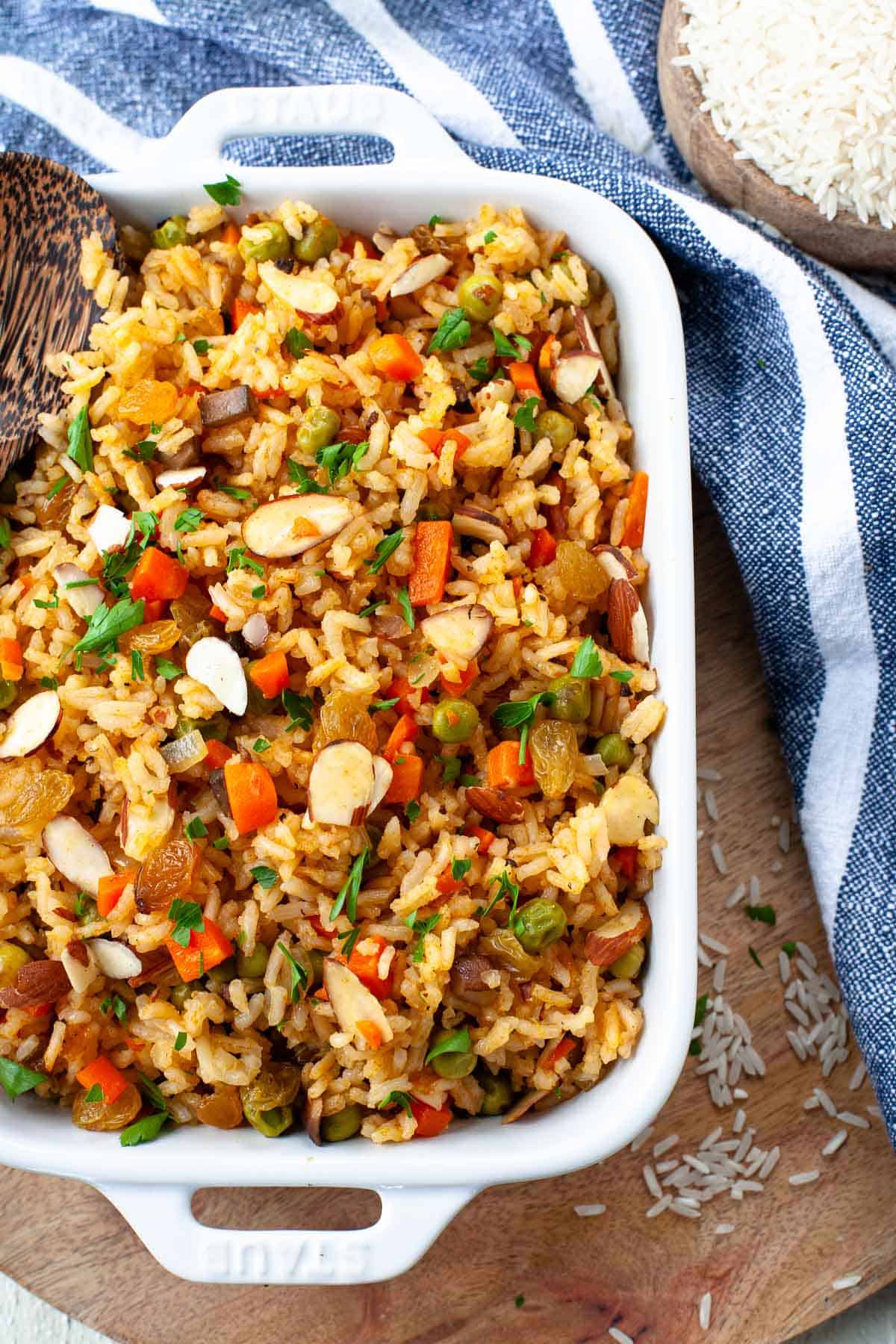
Upgrade Your Side Dish: Customizable Vegetarian Rice Pilaf Recipe
Are you tired of serving plain, uninspired rice alongside your meals? Do you dream of a side dish that's not only incredibly flavorful and satisfying but also beautiful to behold and endlessly adaptable? Look no further than the humble yet spectacular
vegetarian rice pilaf. This isn't just rice; it's an elevated culinary experience that can transform any weeknight dinner into something special, or elegantly complement a festive gathering. Forget the usual steamed grains; it's time to infuse your plate with vibrant colors, delightful textures, and subtle, yet profound, flavors.
This article delves into the magic of creating a customizable vegetarian rice pilaf that promises to become a staple in your kitchen. We'll explore why this dish stands head and shoulders above its plain counterparts, break down its essential components, and unleash a world of customization possibilities. Best of all, this impressive side dish can be ready in roughly 30 minutes, proving that gourmet taste doesn't require an entire evening in the kitchen.
Why Upgrade Your Side Dish? The Magic of Vegetarian Rice Pilaf
The term "pilaf" itself suggests a certain culinary sophistication, differentiating it from simple boiled or steamed rice. At its core, a pilaf involves toasting grains in fat before simmering them in broth, a technique that yields a distinctive fluffy, non-sticky texture. Each grain maintains its integrity, rather than clumping together, creating a truly delightful mouthfeel. This fundamental step is what gives a
vegetarian rice pilaf its signature character and elevates it beyond the everyday.
But the appeal of this dish extends far beyond texture. It's a symphony of subtle, delicious flavors that enhance rather than overpower your main course. Unlike many rice preparations that rely heavily on soy sauce or excessive seasonings, a well-crafted pilaf offers a cleaner, more nuanced profile. This often results in a lower sodium content, making it a healthier choice for those mindful of their dietary intake.
Moreover, if you opt for a wild rice blend, you're embracing a host of nutritional benefits. Wild rice is naturally gluten-free, boasts a lower calorie count compared to some other grains, and is remarkably high in fiber. This makes your rice pilaf not just delicious, but also a smart way to enjoy your carbohydrates, contributing to a feeling of fullness and digestive wellness. It truly transforms a basic carb into a nutrient-rich powerhouse.
Beyond taste and health, this dish is a feast for the eyes. The inclusion of various ingredients – from earthy grains to bright cranberries and fresh herbs – creates a "poppin' gorgeous" visual appeal that adds a festive touch to any dinner table. And despite its elegant appearance, it's remarkably easy to prepare, even for novice cooks. It’s also incredibly cost-effective, using readily available ingredients to feed a crowd, making it ideal for large family meals or entertaining. If you're looking for a quick and satisfying meal, check out our guide to making an
Easy 30-Minute Vegetarian Rice Pilaf: Fluffy & Flavorful.
The Core Ingredients: Building Blocks of Flavor and Texture
Creating a fantastic
vegetarian rice pilaf begins with a foundation of quality, yet simple, ingredients. You won't need to hunt for exotic items; everything required can be found at your local grocery store.
1.
The Rice Blend: The star of the show. While you can certainly use a single type of rice, a "wild rice blend" is often preferred for its varied textures and earthy flavor profile. These blends commonly include wild rice, brown rice, and long-grain white rice, offering a delightful chewiness and visual contrast. You can purchase pre-mixed blends or create your own by combining different grains. The key is to select a blend that cooks relatively evenly.
2.
Fat: Butter is traditionally used for its rich, nutty flavor that deeply permeates the grains as they toast. It contributes significantly to the overall mouthfeel and aroma. However, if you're looking for a dairy-free option or simply prefer it, olive oil or any neutral cooking oil works perfectly well, still allowing for the crucial toasting step.
3.
Aromatics: Onion and carrots are classic choices, forming the flavorful backbone of the pilaf. Sautéed until tender, they release sweet and savory notes, building a complex umami base for the dish. Minced garlic is another excellent addition here for an extra layer of pungency.
4.
Liquid: While water can be used, vegetable broth is highly recommended. It infuses the rice with an additional depth of flavor, making the pilaf taste richer and more complex without adding much effort.
5.
Salt and Pepper: Essential for seasoning. Always taste and adjust to your preference.
The magical transformation happens when the grains are "cracked" or lightly toasted in the butter or oil. This process creates a subtle crust on each individual grain, preventing them from clumping together and ensuring that distinct, fluffy texture that defines a perfect pilaf.
Unleash Your Inner Chef: Customization Beyond the Basics
One of the most exciting aspects of making your own
vegetarian rice pilaf is the freedom to customize it. You are the chef, and the possibilities for personalization are truly endless, allowing you to adapt the recipe to your pantry, preferences, or dietary needs.
Fruity Accents for Sweetness and Color
*
Cranberries: Both fresh and dried cranberries are fantastic. Dried cranberries offer a concentrated burst of sweetness and a chewy texture, while fresh ones provide a tart counterpoint and vibrant color when cooked.
*
Golden Raisins: A delightful alternative to cranberries, golden raisins contribute a mellow, sweet flavor and a soft chewiness that complements the savory elements beautifully.
*
Chopped Apricots or Dates: For a more exotic touch, finely chopped dried apricots or dates can add a deep, caramelized sweetness and a unique texture.
Crunchy Nuts for Texture and Aroma
*
Pecans: As suggested in the references, pecans are a prime choice. Toasting them briefly before adding truly enhances their nutty aroma and flavor.
*
Almonds: Sliced or slivered almonds add a delicate crunch and a buttery, slightly sweet flavor.
*
Walnuts: For a more robust, earthy flavor and satisfying crunch, chopped walnuts are an excellent substitution.
*
Pumpkin Seeds (Pepitas): Toasted pepitas offer a lovely green hue, a distinct nutty flavor, and a satisfying crunch, especially good for a nut-free option.
*
Pistachios: Shelled pistachios, lightly toasted, provide a vibrant green color and a unique, slightly sweet nuttiness.
Fresh Herbs for Brightness and Aroma
*
Parsley: Fresh chopped parsley is a classic finish, offering a bright, herbaceous note and a lovely green garnish.
*
Cilantro: If you enjoy its distinctive flavor, cilantro can be a wonderful substitute, lending a fresh, citrusy, and slightly peppery taste.
*
Green Onions (Scallions): Sliced green onions offer a mild oniony bite and a crisp texture, perfect for a fresh finish.
*
Dill: For a lighter, more ethereal flavor profile, fresh dill can add a unique anise-like freshness.
Expanding the Vegetable Palette
While onion and carrots are foundational, don't stop there! This is where you can truly boost the nutritional value and visual appeal of your pilaf.
*
Peas and Corn: Frozen peas and corn are easy additions, bringing sweetness, color, and a soft texture. Add them towards the end of cooking so they don't get mushy.
*
Bell Peppers: Diced red, yellow, or orange bell peppers add sweetness and a beautiful pop of color. Sauté them with the onions and carrots.
*
Spinach or Kale: Wilted spinach or finely chopped kale can be stirred in during the last few minutes of cooking for a healthy green boost.
*
Mushrooms: Sliced mushrooms (cremini or shiitake) add an earthy, umami depth when sautéed until golden brown.
*
Celery: Diced celery adds a subtle crunch and savory note.
*
Zucchini or Summer Squash: Diced finely, these can add a light freshness.
Exploring Other Grains and Broths
*
Quinoa, Farro, or Pearl Barley: Beyond rice, you can experiment with adding other grains to your blend or even replacing some of the rice. Quinoa adds protein and a fluffy texture, while farro and barley offer a hearty chewiness. Adjust cooking times and liquid ratios accordingly.
*
Mushroom Broth: For an even deeper, more savory umami flavor, consider using mushroom broth instead of vegetable broth. This is an excellent way to elevate your
Healthy Vegetarian Rice Pilaf: Low Sodium & High Fiber Recipe.
Spices and Flavor Boosters
*
Turmeric: A pinch of turmeric can lend a beautiful golden hue and subtle earthy notes.
*
Cumin or Coriander: For a warm, aromatic undertone, a tiny amount of ground cumin or coriander can work wonders.
*
Smoked Paprika: A dash of smoked paprika adds a lovely color and a subtle smoky depth.
*
Nutritional Yeast: For a cheesy, umami flavor without dairy, nutritional yeast can be stirred in at the end.
The beauty of customization means you can tailor your pilaf to complement any main dish, making it the perfect flexible side for roasted vegetables, grilled halloumi, or a hearty lentil loaf.
Mastering the Pilaf Technique: Tips for Perfection
Achieving that perfect, fluffy
vegetarian rice pilaf texture isn't difficult, but it does require attention to a few key techniques:
1.
Toasting is Key: Don't skip the step of sautéing your rice grains in butter or oil until they are lightly golden and "cracked." This is fundamental for preventing stickiness and building flavor.
2.
Proper Liquid Ratio: Most rice blends call for a 1:2 rice to liquid ratio (e.g., 1 cup rice blend to 2 cups broth), but always check the specific instructions for your chosen rice blend. Using slightly less liquid can help achieve a fluffier result.
3.
Lid On, Hands Off: Once the liquid is added and brought to a simmer, put the lid on tightly and resist the urge to peek or stir. Stirring releases starch and can make the rice gummy.
4.
The Rest Period: After the cooking time is up, turn off the heat but keep the lid on for at least 5-10 minutes. This resting period allows the steam to redistribute, resulting in perfectly fluffy grains.
5.
Fluff with a Fork: Once rested, gently fluff the pilaf with a fork before serving. This separates the grains and incorporates any added herbs or nuts.
6.
Prep Ahead: Chop your aromatics and other vegetables while the rice is toasting to streamline the cooking process.
This versatile dish is not just for special occasions; it deserves a regular spot on your menu. Serve it as a robust side to your favorite protein, alongside roasted vegetables, or even as a light, satisfying main course on its own. The vibrant colors and rich aromas are sure to be a showstopper.
Conclusion
Elevating your side dish game doesn't have to be complicated or time-consuming. This customizable
vegetarian rice pilaf is a testament to how simple ingredients, combined with a few clever techniques, can create something truly extraordinary. From its perfectly fluffy texture and subtle, savory flavors to its vibrant appearance and impressive nutritional profile, this pilaf offers endless possibilities for culinary creativity. Whether you stick to the basics or embark on a flavor adventure with unique additions, you'll find that this dish is not just a side—it's an experience. So, ditch the plain rice and embrace the delicious, healthy, and highly adaptable world of vegetarian rice pilaf. Your taste buds (and your dinner guests) will thank you!