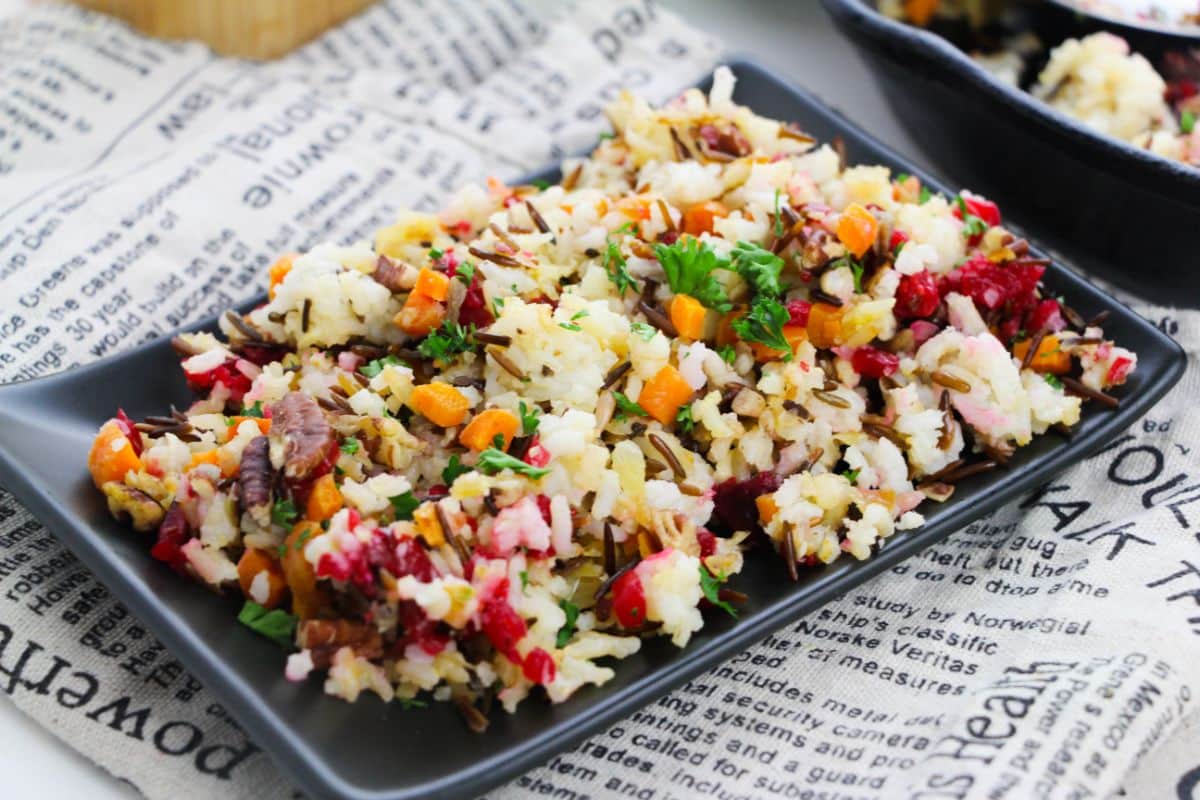
Tired of plain, uninspired rice as a side dish? Imagine a vibrant, flavorful grain dish that’s not only a feast for the eyes but also packed with health benefits. Enter the healthy vegetarian rice pilaf – a culinary upgrade that transforms humble rice into a star. This isn't just any rice dish; it's a low-sodium, high-fiber powerhouse designed to add a touch of gourmet flair to your everyday meals without sacrificing your health goals or precious time in the kitchen.
Far from the usual soy-sauce laden alternatives, this vegetarian rice pilaf delivers subtle yet profound flavors, making it an ideal companion for a variety of proteins and vegetable mains. It’s a dish that promises both comfort and sophistication, proving that healthy eating can indeed be incredibly delicious and visually stunning. Whether you're a seasoned chef or just starting your culinary journey, this recipe is remarkably accessible, ready to grace your table in under 30 minutes, and guaranteed to impress with its gorgeous, fluffy texture and pops of color.
Why Choose a Healthy Vegetarian Rice Pilaf? The Nutritional Edge
In an age where dietary awareness is paramount, choosing dishes that align with a healthy lifestyle is key. Our vegetarian rice pilaf stands out for several compelling reasons, particularly its low sodium content and impressive fiber profile, making it a superior choice compared to many other rice-based sides.
Low Sodium for Heart Health
Many popular rice dishes rely heavily on high-sodium ingredients like soy sauce or heavily processed broths for flavor. While delicious, this can contribute to elevated sodium intake, which is a concern for blood pressure and cardiovascular health. This pilaf recipe consciously minimizes sodium, relying instead on the natural sweetness of vegetables, aromatic herbs, and the rich nuttiness of the grains themselves to build a complex flavor profile. By controlling the salt content, you get a heart-healthy alternative that doesn't compromise on taste, allowing the inherent goodness of the ingredients to shine through.
High Fiber for Digestive Wellness and Satiety
The star of this healthy pilaf is often a wild rice blend, which is a fantastic source of dietary fiber. Unlike refined white rice, whole grains like wild rice, brown rice, and even quinoa (if added) retain their bran and germ, which are loaded with fiber. Fiber is crucial for digestive health, promoting regularity and preventing constipation. Beyond digestion, a high-fiber diet contributes to a feeling of fullness, which can aid in weight management by reducing overall calorie intake. It also helps regulate blood sugar levels, preventing sharp spikes and crashes. Incorporating this high-fiber vegetarian rice pilaf into your diet is a delicious and efficient way to boost your daily fiber intake, making your carbohydrate consumption truly work for your body.
Beyond the Basics: Gluten-Free and Nutrient-Rich
Wild rice, despite its name, is botanically a semi-aquatic grass seed and is naturally gluten-free, making this pilaf an excellent option for those with gluten sensitivities or celiac disease. Furthermore, it's lower in calories than many other grains and provides essential micronutrients. This holistic approach to nutrition ensures that you're not just eating "rice," but a well-rounded, nutrient-dense component of your meal, contributing positively to your overall well-being. It truly elevates the status of a simple side dish to a healthful culinary experience.
The Art of Fluffy Pilaf: Key Techniques for Perfect Texture and Flavor
What sets a great pilaf apart from simply boiled rice is its distinct fluffy texture, where each grain remains separate and perfectly cooked. This isn't magic; it's the result of a few crucial techniques that are surprisingly easy to master, even for beginners. Understanding these steps will transform your vegetarian rice pilaf from good to unforgettable.
Toasting the Grains: The Secret to Fluffiness and Depth
The cornerstone of any outstanding pilaf is the initial toasting of the grains. Before any liquid is added, the rice (or rice blend) is sautéed in a small amount of fat – typically butter or olive oil – until lightly golden and fragrant. This process, often referred to as "cracking," creates a protective crust on each grain. This crust is vital because it prevents the grains from sticking together during cooking, ensuring that signature fluffy, individual grain texture that pilaf is known for. More than just texture, toasting also deepens the flavor of the rice, imparting a nutty, more robust taste that forms the base of the dish's complexity.
Building the Flavor Foundation: Aromatics and Spices
Once the grains are toasted, the next step involves sautéing aromatics. Onions and carrots are classic choices, offering a subtle sweetness and umami that permeates the entire dish. Sautéing them in the same fat used for the rice allows their flavors to mellow and sweeten, creating a rich foundation before any liquid is introduced. You can even add a pinch of turmeric for a beautiful golden hue and an earthy undertone, or a bay leaf for a delicate herbal note. This layering of flavors is what gives pilaf its characteristic depth, moving it far beyond the simplicity of plain steamed rice. When you take the time to build these foundational flavors, your Easy 30-Minute Vegetarian Rice Pilaf: Fluffy & Flavorful becomes an incredibly rewarding experience.
Precise Liquid Absorption and the Power of Resting
After the aromatics are fragrant, the cooking liquid (vegetable broth or water) is added. The key here is using the correct liquid-to-grain ratio and bringing it to a simmer before covering and cooking on low heat. This gentle cooking allows the grains to slowly absorb the liquid evenly. Crucially, once the cooking time is up, resist the urge to immediately uncover and serve. Instead, let the pilaf rest, covered, off the heat for 5-10 minutes. This resting period allows the steam to redistribute moisture throughout the grains, ensuring they become perfectly tender and impossibly fluffy. It's a small step that makes a huge difference in achieving that ideal, light texture.
Customizing Your Pilaf: Ingredients and Substitutions for Every Palate
One of the most delightful aspects of making your own vegetarian rice pilaf is the freedom to customize it. Think of the recipe as a versatile canvas, inviting you to add your personal touch based on what you have on hand, your dietary preferences, or simply what sounds delicious. This adaptability makes it an ideal dish for any occasion, allowing you to Upgrade Your Side Dish: Customizable Vegetarian Rice Pilaf Recipe with ease.
Core Ingredients & Their Versatile Alternatives
- Grain Blends: While a store-bought wild rice blend is convenient, you can easily create your own. Mix wild rice with brown rice for added chewiness and fiber, or long-grain white rice for a lighter texture. Consider adding quinoa or even small pasta shapes like orzo for extra textural interest and nutritional boost.
- Fats: Butter provides a rich, classic flavor to sauté the aromatics and toast the grains. However, for a vegan option or simply a lighter touch, olive oil or any other preferred cooking oil works beautifully without compromising the overall taste.
- Aromatics: Beyond onions and carrots, feel free to experiment. Finely diced celery adds another layer of flavor, while bell peppers can introduce a fresh, sweet crunch and vibrant color. Garlic, sautéed briefly after the other aromatics, will lend an irresistible pungency.
- Sweetness & Color: Dried cranberries are fantastic for their festive pop of color and tart-sweet flavor. If you're out, golden raisins make an excellent substitute, offering a similar sweetness. Fresh cranberries can also be used, but note their more intense tartness.
- Crunch & Aroma: Toasted pecans add a wonderful buttery crunch and depth. Toasted nuts release their essential oils, intensifying their aroma and flavor. Alternatives include sliced almonds, walnuts, or a mix of your favorite nuts. For an allergen-free crunch, consider toasted pumpkin or sunflower seeds.
- Freshness: Fresh parsley is the classic garnish, providing a bright, herbaceous finish and a beautiful green contrast. If you prefer a different flavor profile, cilantro offers a distinct citrusy note, while chopped green onions provide a mild oniony bite.
Expanding Your Pilaf's Horizon
Don't stop at the basics! Here are more ways to infuse your pilaf with unique character:
- Vegetable Power: Stir in quick-cooking vegetables like frozen peas, corn, finely chopped spinach, or sautéed mushrooms towards the end of the cooking process or during the resting period. This boosts nutrients and visual appeal.
- Broth Choices: Using a high-quality vegetable broth instead of water significantly enhances the depth of flavor. Look for low-sodium vegetable broths to maintain the healthy profile of the dish.
- Spice it Up: A pinch of smoked paprika can add a subtle smokiness, while a tiny dash of cinnamon or nutmeg can introduce a warm, aromatic complexity, especially when paired with dried fruits.
- Herbal Infusions: Beyond parsley, consider fresh thyme or rosemary sprigs cooked directly with the rice for an earthy, aromatic infusion, removing them before serving.
The beauty of this vegetarian rice pilaf lies in its flexibility. Each ingredient choice allows you to craft a dish that truly reflects your taste and pantry, ensuring every batch is a delightful adventure in flavor and texture.
Quick & Easy: Making Healthy Pilaf a Weeknight Staple
In our busy lives, finding meals that are both nutritious and quick to prepare is a game-changer. This healthy vegetarian rice pilaf fits the bill perfectly, transforming from a simple concept to a mouthwatering reality in less than 30 minutes – prep time and cook time combined. Its efficiency and versatility make it an indispensable addition to your regular meal rotation.
The 30-Minute Magic: Effortless Excellence
Forget lengthy cooking processes or complicated techniques. This pilaf is designed for speed and simplicity. With minimal chopping and straightforward steps, you can have a gourmet-tasting side dish ready faster than many take-out options. This quick turnaround means you can enjoy a delicious, wholesome meal even on the busiest weeknights, without sacrificing flavor or nutrition. It’s perfect for those evenings when you crave something special but are short on time, allowing you to focus on other aspects of your meal, or simply relax.
Feeds a Crowd & Beginner-Friendly
Despite its elegant appearance, this vegetarian rice pilaf is incredibly budget-friendly and scales up beautifully to feed a crowd. Whether you’re hosting a dinner party, planning a potluck, or simply looking for meal prep options for the week, this recipe is a reliable choice. Its ease of preparation also makes it ideal for novice cooks. The steps are intuitive, the ingredients are common, and the forgiving nature of pilaf means you’re almost guaranteed a successful outcome. It’s a rewarding dish that builds confidence in the kitchen.
Versatile Serving Suggestions
While delicious on its own, this pilaf shines as a side dish. Pair it with:
- Roasted Vegetables: A simple tray of roasted broccoli, asparagus, or bell peppers complements its flavors perfectly.
- Grilled or Baked Tofu/Tempeh: For a complete plant-based meal, serve alongside marinated and grilled or baked tofu or tempeh.
- Lentil Loaf or Veggie Burgers: It makes a fantastic accompaniment to heartier vegetarian main courses.
- Soups and Stews: A scoop of pilaf can add substance and texture to lighter vegetarian soups or stews.
- As a Base for Bowls: Create healthy Buddha bowls by topping the pilaf with greens, beans, avocado, and a light dressing.
Its vibrant colors and enticing aroma make it a beautiful centerpiece for any table, instantly elevating the dining experience. Its ability to effortlessly complement a wide range of dishes solidifies its status as a weeknight staple and a special occasion showstopper.
Conclusion
The healthy vegetarian rice pilaf transcends the role of a mere side dish, emerging as a vibrant, flavorful, and incredibly versatile centerpiece for any meal. Its deliberate low-sodium profile and rich fiber content not only satisfy your taste buds but also contribute significantly to your well-being, making it a truly smart choice for conscious eating. From its perfectly fluffy texture, achieved through simple yet crucial techniques, to its endless customization possibilities, this pilaf invites you to explore and innovate in your kitchen. Whether you're seeking a quick weeknight solution, a crowd-pleasing dish for gatherings, or simply a delicious way to elevate your grain intake, this vegetarian rice pilaf is a proven winner. So, embrace the ease, savor the flavors, and make this healthy, vibrant pilaf a cherished addition to your culinary repertoire.
